
frameless glass mirror
Understanding Slow Closing Check Valves Importance and Applications In various industrial and municipal applications, the management of fluid flow is paramount. One essential component often utilized for this purpose is the slow closing check valve, a mechanism designed to prevent backflow while reducing the potential for hydraulic shock. This article explores the significance and functionality of slow closing check valves, shedding light on their applications and advantages. What is a Slow Closing Check Valve? A slow closing check valve is a type of valve that allows fluid to flow in one direction while preventing reverse flow. Unlike standard check valves that can slam shut quickly, potentially causing water hammer—a sudden pressure surge—slow closing check valves are designed with a mechanism to control the closure speed. This gradual closure helps to minimize turbulence and reduce the stress on the piping system, ultimately enhancing system longevity. Functionality and Design The primary function of a slow closing check valve is to permit fluid flow only in one direction. When the flow is active, the valve remains open, allowing for fluid transmission. Once the flow stops or reverses, the valve closes slowly to prevent backflow. This controlled closure mechanism is often achieved through hydraulic dampening or the use of specialized spring systems that govern the valve's movement. The design of a slow closing check valve typically includes robust materials that withstand high pressures and corrosive conditions . Common materials used in construction include stainless steel, brass, and various thermoplastics, ensuring durability across various environments. Applications of Slow Closing Check Valves Slow closing check valves find applications in multiple sectors, including water treatment plants, HVAC systems, fire protection systems, and industrial processes. Their ability to mitigate water hammer makes them particularly beneficial in large piping systems where sudden pressure changes can lead to significant damage. 1. Water Treatment Facilities In water distribution systems, these valves help maintain consistent pressure levels and prevent contamination from reverse flow, ensuring safe drinking water. slow closing check valve 2. Fire Protection Systems In fire sprinkler systems, slow closing check valves prevent backflow that could compromise the system's integrity, ensuring reliable operation during emergencies. 3. HVAC Systems In heating and cooling applications, they help regulate flow and pressure, contributing to the efficiency of the system and preventing damage from hydraulic shock. 4. Industrial Applications In various manufacturing processes, these valves play a crucial role in maintaining the flow direction, allowing for the safe transport of fluids throughout the production line. Advantages of Slow Closing Check Valves Slow closing check valves offer several advantages over traditional check valves. Their main benefits include - Reduction of Water Hammer The controlled closure minimizes the risk of sudden pressure surges, protecting piping systems from damage and reducing maintenance costs. - Enhanced System Reliability By preventing backflow, these valves ensure that systems function smoothly and efficiently, reducing the likelihood of disruptions. - Longevity The high-quality materials and thoughtful design contribute to the valve's durability, providing a long service life and reducing the need for frequent replacements. In conclusion, slow closing check valves are crucial components in various fluid management systems. Their ability to prevent backflow while mitigating hydraulic shock makes them indispensable in industries ranging from municipal water systems to industrial manufacturing. Investing in high-quality slow closing check valves is essential for ensuring reliable and efficient operation, ultimately contributing to the safety and longevity of fluid systems.
about
frameless glass mirror
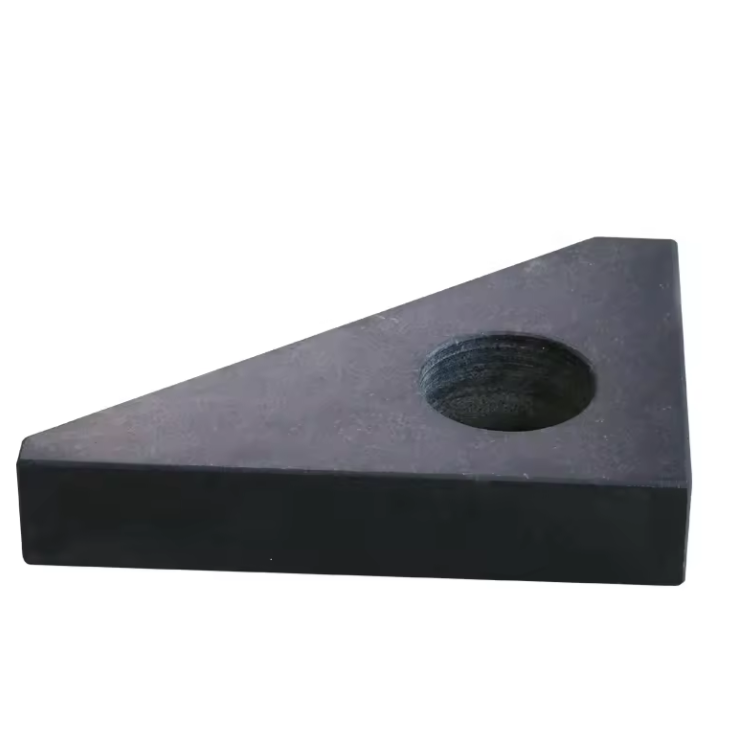
The Metal Angle Ruler A Versatile Tool for Precision Measurement In the world of design, architecture, engineering, and crafts, precision is paramount. Among the many tools available to ensure accuracy in measurements, the metal angle ruler stands out as a highly versatile and indispensable instrument. This article delves into the features, advantages, applications, and maintenance of metal angle rulers, highlighting their significance in various fields. Features of Metal Angle Rulers Metal angle rulers are typically constructed from high-quality stainless steel or aluminum, ensuring durability and resistance to corrosion. A standard metal angle ruler consists of two arms that meet at a right angle, forming a 'L' shape. One of the primary features of these rulers is the calibrated markings along the edges, which are usually in both metric and imperial units. This dual measurement system allows for flexibility and convenience, catering to users from different regions and industries. Many metal angle rulers come equipped with additional features such as movable arms or built-in protractors that facilitate more complex angles. Some designs include laser-engraved measurements for enhanced visibility and longevity, as printed markings can wear off over time. Their smooth surface ensures easy sliding over materials, making them ideal for drawing straight lines or measuring angles accurately. Advantages of Using Metal Angle Rulers One of the critical advantages of metal angle rulers is their precision. The rigid nature of metal ensures that the ruler maintains its shape, preventing any bending that could lead to inaccurate measurements. In contrast to plastic or wooden rulers, metal angle rulers provide a greater degree of accuracy, which is essential in fields where even minor discrepancies can have significant consequences. Another advantage is their durability. Metal angle rulers are designed to withstand wear and tear, making them suitable for both indoor and outdoor use. Whether in a workshop, construction site, or classroom, these rulers can endure harsh conditions, ensuring long-term reliability. Moreover, the versatility of metal angle rulers cannot be overstated. They can be used for a broad range of applications, including drafting, woodworking, metalworking, and even baking. Their ability to create perfect right angles makes them a favorite among carpenters, architects, and engineers . The metal angle ruler can also assist in laying out lines for cutting or drilling, ensuring that projects are executed flawlessly. Applications in Various Fields metal angle ruler 1. Architecture and Engineering Architects and engineers frequently use metal angle rulers for creating blueprints and technical drawings. The precision of the ruler helps in drafting accurate representations of structures, allowing for effective planning and communication among stakeholders. 2. Woodworking and Crafting Woodworkers rely on metal angle rulers to achieve precise cuts and joinery. The ability to draw accurate lines and angles is crucial when creating furniture, cabinetry, or intricate designs. 3. Education In educational settings, metal angle rulers are essential tools for teaching students about geometry and design principles. Their use in practical assignments enhances understanding and skills in measurement. 4. Metalworking Metal fabricators utilize angle rulers for accurate layout and cutting of metal components. The robustness of metal rulers allows them to be used alongside heavy machinery without risk of damage. Maintaining Your Metal Angle Ruler Proper maintenance of a metal angle ruler is vital to ensure its longevity and accuracy. Users should clean the ruler regularly to remove dust, grease, or debris that can affect precision. A soft cloth or mild detergent is sufficient for cleaning; harsh chemicals should be avoided as they can scratch or tarnish the surface. It is also essential to store metal angle rulers in a safe place, away from other tools that could cause scratches or dents. Using a protective case can prevent accidental damage during transport. Conclusion In conclusion, the metal angle ruler is a crucial tool for achieving precision in various fields, from architecture to woodworking. Its reliable construction, versatility, and ease of use make it an invaluable addition to any toolbox. By understanding its features and proper maintenance, users can ensure that their metal angle ruler remains an effective instrument for many years to come. Whether you are a professional in a technical field or a hobbyist, investing in a quality metal angle ruler is a decision that will greatly enhance your work's accuracy and quality.
-

High quality industrial productsagement

High quality industrial products
View Details -

Meet the diverse needs of customers

Meet the diverse needs of customers
View Details -

Strict quality control

Strict quality control
View Details -

Top raw materials

Top raw materials
View Details -

Trusted supplier

Trusted supplier
View Details
Our application

news and information
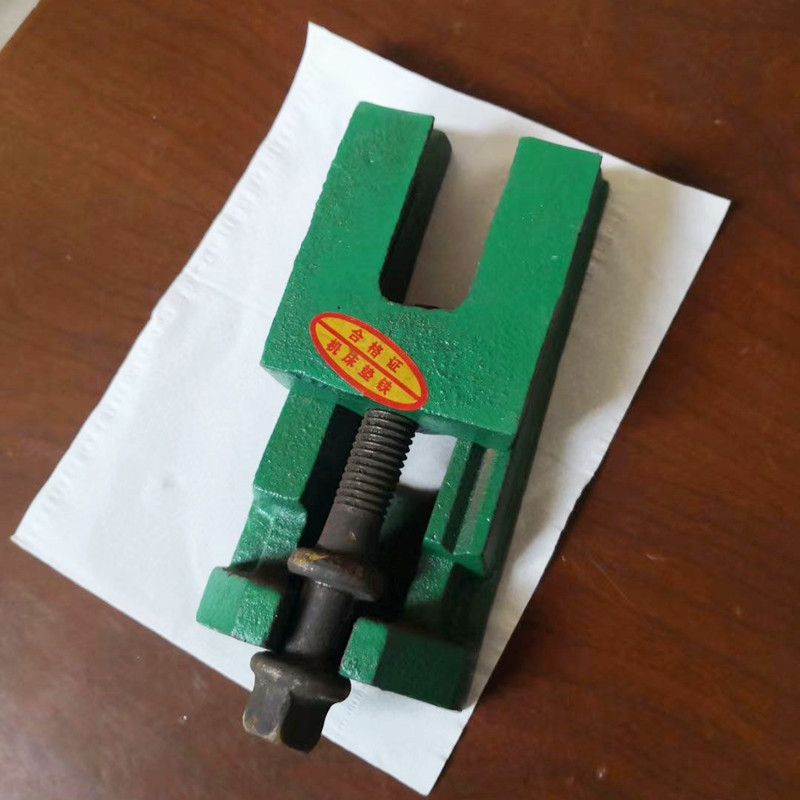
What is the Difference Between a Gate Valve and a Globe Valve_
When navigating the world of industrial valves, understanding the nuances between various types can
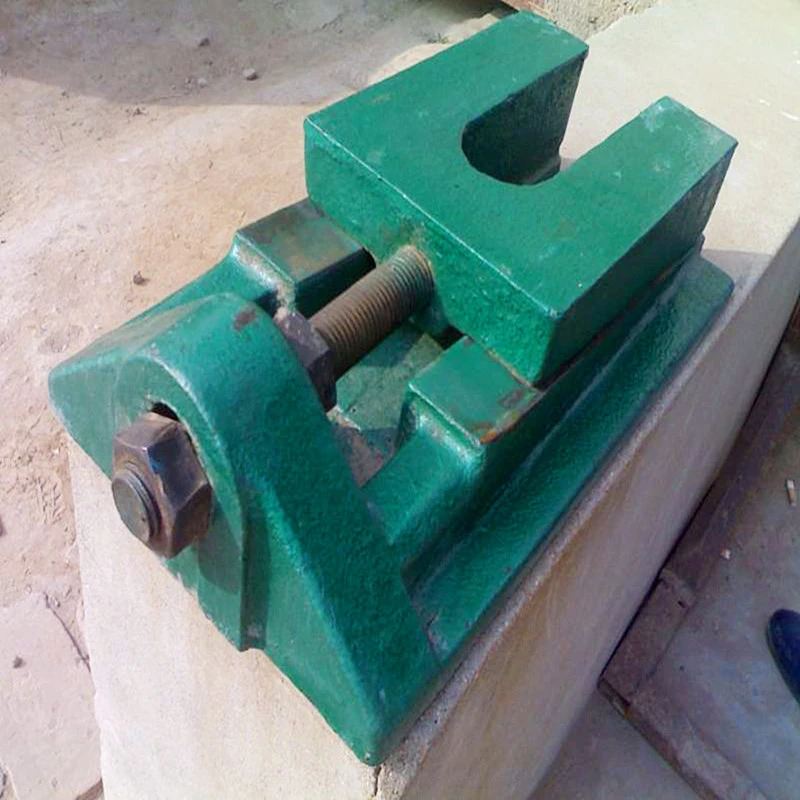
Vis mig et vaterpas til præcise målinger
Vis mig et vaterpas Vaterpas er en uundgåelig værktøj i både byggeri og håndværk, men har også en dy
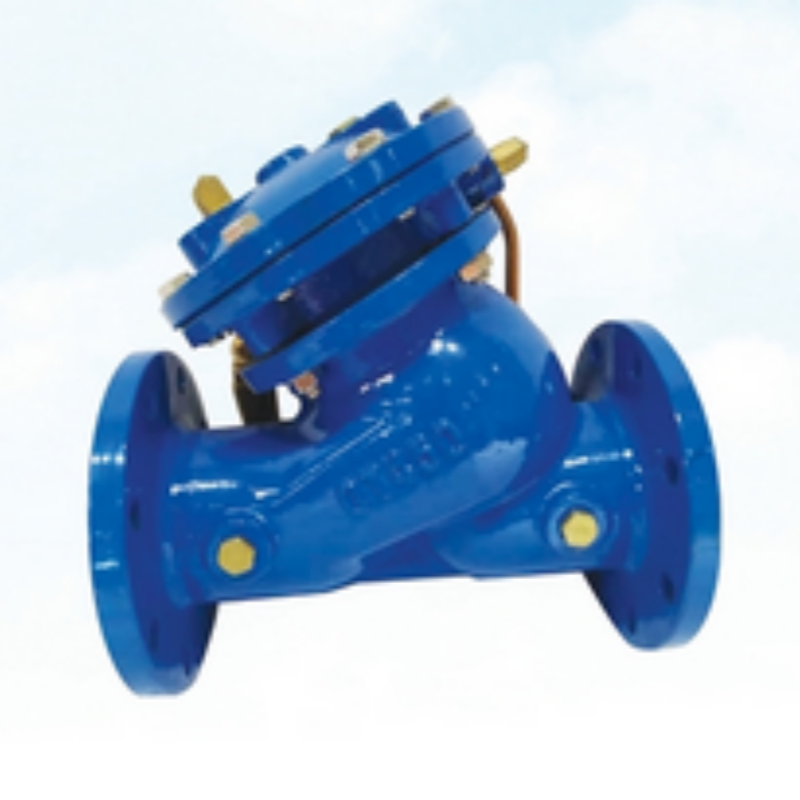
welding table cost
Understanding the Costs of Welding Tables When it comes to metalworking and fabrication, having the
 English